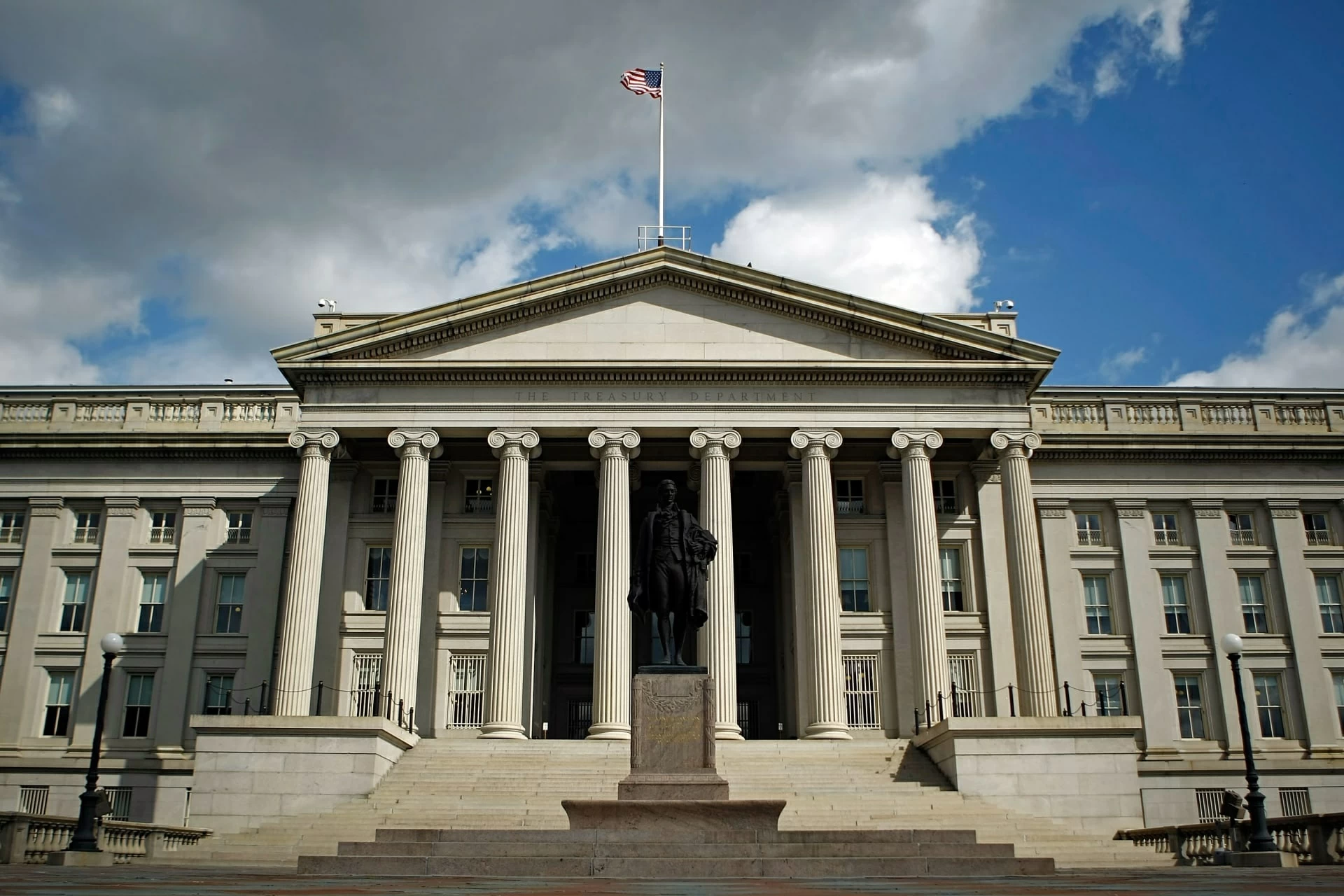
أعلنت وزارة الخزانة الأمريكية اليوم (الأربعاء) فرض عقوبات جديدة على أفراد وكيانات مرتبطة بالحرس الثوري الإيراني.
وذكر مكتب مراقبة الأصول الأجنبية التابع لوزارة الخزانة الأمريكية أنه تم فرض عقوبات على تسعة أفراد وكيانات قالت إنها دعمت عمليات شراء الأسلحة لصالح الحرس الثوري الإيراني ووزارة الدفاع وإسناد القوات المسلحة الإيرانية.
وقال وزير الخزانة الأمريكي سكوت بيسنت: «من خلال العاصفة الاقتصادية، تعطل وزارة الخزانة شبكات المشتريات الخارجية التي تدعم جهود الجيش الإيراني لاقتناء الأسلحة»، مضيفاً: «لقد جمدت الخزانة أصول النظام الإيراني، وأعاقت اقتصاده بشدة، وفككت آلة الحرب الإيرانية، ولن تتسامح الخزانة مع أي دعم للجيش الإيراني».
وأشار إلى أن المستهدفين سهلوا عمليات شراء الأسلحة لصالح الحرس الثوري ووزارة الدفاع، وأن بعضهم يعمل ضمن شبكة مصرفية سرية إيرانية حاولت تنفيذ معاملات مرتبطة بشراء الأسلحة.
وأكدت وزارة الخزانة أنها تواصل سياسة الضغط الأقصى على إيران واستهداف قدرتها على توليد الأموال وتحريكها وإعادتها إلى الداخل، موضحة أنها عطّلت عشرات المليارات من الدولارات من الإيرادات التي كانت ستصل إلى النظام الإيراني ووكلائه، بما في ذلك تجميد كميات كبيرة من العملات الرقمية المرتبطة به.
وذكرت الوزارة أنها استهدفت شبكات مصرفية ظلّية عالمية، وفرضت عقوبات على شبكات توريد أسلحة ومكونات عسكرية، إضافة إلى مسؤولين وشبكات نفطية وسفن أسطول الظل التي تدعم قطاع النفط الإيراني غير المشروع، محذرة من مخاطر التعامل مع مطالب إيرانية تتعلق بمرور السفن عبر مضيق هرمز، بما في ذلك دفع رسوم أو خدمات أو تحويلات مالية مباشرة أو غير مباشرة.
وأفادت الوزارة بأن العقوبات شملت شركات وأفراداً مرتبطين بوزارة الدفاع الإيرانية في عمليات شراء وتسليح من خارج البلاد، مبينة أن العقوبات قد تشمل أيضاً أفراداً أو كيانات أجنبية في حال تورطهم في التحايل أو دعم هذه الأنشطة.
وشدد بيان الوزارة على أن الهدف النهائي للعقوبات ليس العقاب بل تغيير السلوك، مع إتاحة آلية قانونية لطلب رفع الأسماء من قوائم العقوبات.
بالتزامن مع ذلك، أعلنت وزارة الخارجية الأمريكية فرض عقوبات على كيانين وشخصين في إيران وبيلاروسيا على خلفية أنشطة متعلقة بالأسلحة التقليدية الإيرانية.
The U.S. Department of the Treasury announced today (Wednesday) the imposition of new sanctions on individuals and entities linked to the Iranian Revolutionary Guard Corps.
The Office of Foreign Assets Control of the U.S. Department of the Treasury stated that sanctions were imposed on nine individuals and entities that it said supported arms procurement efforts for the Iranian Revolutionary Guard Corps, the Ministry of Defense, and the Iranian Armed Forces.
U.S. Treasury Secretary Scott P. McGowan said, “Amid the economic storm, the Treasury is disrupting foreign procurement networks that support the Iranian military’s efforts to acquire weapons,” adding, “The Treasury has frozen the assets of the Iranian regime, severely hampered its economy, and dismantled the Iranian war machine, and will not tolerate any support for the Iranian military.”
He noted that the targeted individuals facilitated arms purchases for the Revolutionary Guard and the Ministry of Defense, and that some of them operated within a clandestine Iranian banking network that attempted to conduct transactions related to arms purchases.
The Treasury Department confirmed that it continues its maximum pressure policy on Iran and targets its ability to generate, move, and repatriate funds, explaining that it has disrupted tens of billions of dollars in revenue that would have reached the Iranian regime and its proxies, including freezing large amounts of cryptocurrency associated with it.
The department mentioned that it targeted global shadow banking networks, imposed sanctions on arms supply networks and military components, in addition to officials and oil networks and shadow fleet vessels that support Iran’s illicit oil sector, warning of the risks associated with dealing with Iranian demands regarding the passage of ships through the Strait of Hormuz, including paying fees or services or direct or indirect financial transfers.
The department reported that the sanctions included companies and individuals linked to the Iranian Ministry of Defense in procurement and arming operations from abroad, indicating that sanctions may also target foreign individuals or entities if they are involved in facilitating or supporting these activities.
The department’s statement emphasized that the ultimate goal of the sanctions is not punishment but behavior change, while providing a legal mechanism to request the removal of names from the sanctions lists.
Simultaneously, the U.S. Department of State announced sanctions on two entities and two individuals in Iran and Belarus in connection with activities related to Iranian conventional weapons.