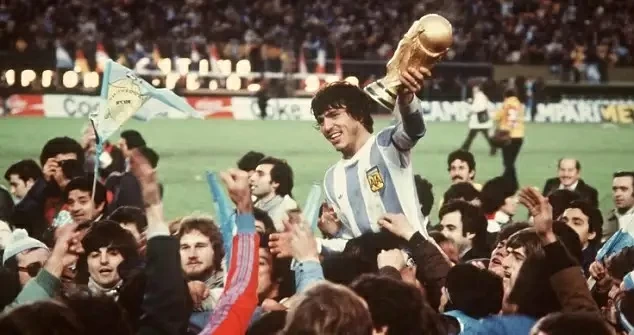
لم يكن مونديال 1978 مجرد بطولة تُلعب على العشب الأخضر، بل مسرح واسع اختلطت فيه الهتافات بوقع الأحذية العسكرية، وتداخلت فيه الأهداف مع صفقات الظل، حتى بدت الكأس نفسها وكأنها تُرفع فوق أرض تهتز بين الفرح والريبة. في تلك النسخة، لم تكن كرة القدم وحدها هي الحاضرة، بل حضرت السياسة بكل ثقلها، والديكتاتورية بكل قسوتها، والصفقات السرية بكل ما تحمله من ظلال. هكذا تحوّل الحدث العالمي إلى رواية معقدة، تتقاطع فيها المصالح مع الخوف، والانتصار مع الاتهامات، لتبقى البطولة محفورة في الذاكرة لا بوصفها إنجازاً رياضياً فقط، بل واحدة من أكثر النُسخ إثارةً للجدل في تاريخ اللعبة.
مؤامرة على البرازيل
تُعد مباراة الأرجنتين وبيرو (6-0) أكثر لحظات البطولة إثارة للجدل. احتاجت الأرجنتين للفوز بفارق أربعة أهداف لتتأهل على حساب البرازيل، فجاءت النتيجة مضاعفة ومفاجئة. لاحقاً، كشفت شهادات ووثائق عن صفقة سياسية واقتصادية بين النظامين العسكريين في الأرجنتين وبيرو، شملت شحنات قمح ضخمة وقروضاً مالية، إضافة إلى تعاون أمني ضمن (خطة كوندور) لتسليم معارضين سياسيين. هذه الخلفيات جعلت المباراة رمزاً للتلاعب السياسي في الرياضة.
توقيت مُوجَّه
حصلت الأرجنتين على أفضلية غير عادلة حين خاضت جميع مبارياتها ليلاً بعد انتهاء مباريات منافسيها؛ ما منحها معرفة دقيقة بالنتائج المطلوبة قبل دخول الملعب. هذا التلاعب بجدول المباريات كان عاملاً مؤثراً في مسار البطولة، وأحد أسباب التشكيك في نزاهتها.
ترهيب ممنهج
شهدت البطولة حضوراً مباشراً للديكتاتور خورخي فيديلا داخل غرف الملابس، خصوصاً قبل مباراة بيرو، برفقة هنري كيسنجر، في مشهد اعتبره اللاعبون تهديداً مبطناً. كما أقيمت المباريات على مقربة من مراكز اعتقال وتعذيب، ما جعل البطولة واجهة لتلميع صورة النظام العسكري وسط انتهاكات حقوقية واسعة.
نهائي متوتر
تعرض المنتخب الهولندي لحرب نفسية قبل النهائي، من تأخير الحافلة إلى افتعال أزمة (الجبيرة) قبل انطلاق المباراة. ورغم خوض هولندا اللقاء بكامل نجومها المتاحين، فإن الأجواء العدائية والتحكيم المثير للجدل دفعا اللاعبين لرفض حضور مراسم التتويج بعد الخسارة (3-1).
غياب كرويف
لم يشارك يوهان كرويف في البطولة؛ بسبب تهديدات ومحاولة اختطاف مسلّحة تعرض لها مع عائلته عام 1977، وليس احتجاجاً سياسياً كما شاع لسنوات؛ حيث أعلن كرويف لاحقاً أن سلامة أسرته كانت أولوية تتجاوز أي بطولة.
خلاصة مُرّة
رغم تتويج الأرجنتين لأول مرة، بقي مونديال 1978 محاطاً بشُبهات سياسية وأمنية جعلته واحداً من أكثر النُسخ إثارةً للجدل في تاريخ كرة القدم.
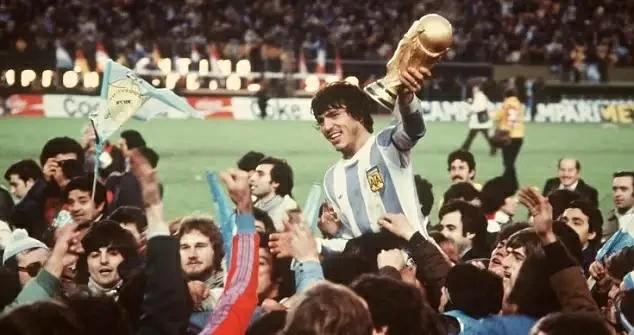
The 1978 World Cup was not just a tournament played on green grass, but a vast stage where cheers mingled with the sound of military boots, and goals intertwined with shadowy deals, making the cup itself seem as if it were raised above a ground shaking between joy and suspicion. In that edition, football was not the only presence; politics came with all its weight, dictatorship with all its cruelty, and secret deals with all their shadows. Thus, the global event transformed into a complex narrative, where interests intersected with fear, victory with accusations, leaving the tournament etched in memory not merely as a sporting achievement, but as one of the most controversial editions in the history of the game.
A Conspiracy Against Brazil
The match between Argentina and Peru (6-0) is considered one of the most controversial moments of the tournament. Argentina needed to win by a margin of four goals to qualify at the expense of Brazil, and the result was both surprising and doubled. Later, testimonies and documents revealed a political and economic deal between the military regimes of Argentina and Peru, which included massive wheat shipments and financial loans, in addition to security cooperation under the (Condor Plan) for the delivery of political opponents. These backgrounds made the match a symbol of political manipulation in sports.
Directed Timing
Argentina gained an unfair advantage by playing all its matches at night after its rivals’ games had ended; this gave them precise knowledge of the required results before stepping onto the field. This manipulation of the match schedule was a significant factor in the course of the tournament and one of the reasons for questioning its integrity.
Systematic Intimidation
The tournament witnessed the direct presence of dictator Jorge Videla in the locker rooms, especially before the match against Peru, accompanied by Henry Kissinger, in a scene that players considered a veiled threat. The matches were held close to detention and torture centers, making the tournament a facade to polish the image of the military regime amid widespread human rights violations.
A Tense Final
The Dutch team faced psychological warfare before the final, from delays in the bus to the creation of a (splint) crisis before the match started. Despite Holland fielding all its available stars, the hostile atmosphere and controversial refereeing led the players to refuse to attend the award ceremony after losing (3-1).
Cruyff’s Absence
Johan Cruyff did not participate in the tournament due to threats and an armed kidnapping attempt he faced with his family in 1977, and not as a political protest as has been rumored for years; Cruyff later stated that the safety of his family was a priority that surpassed any tournament.
A Bitter Summary
Despite Argentina’s first-time victory, the 1978 World Cup remained surrounded by political and security suspicions, making it one of the most controversial editions in the history of football.