


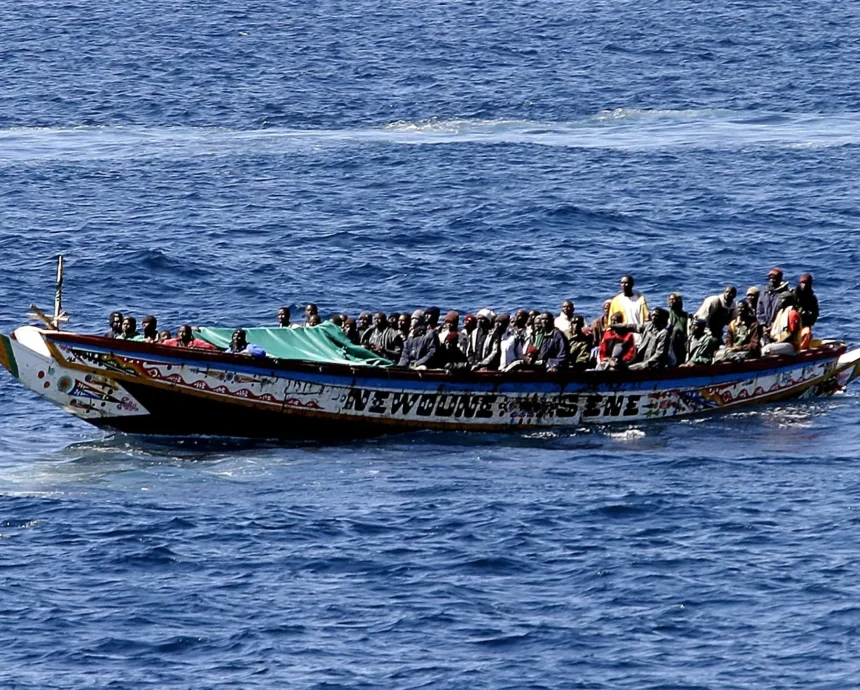
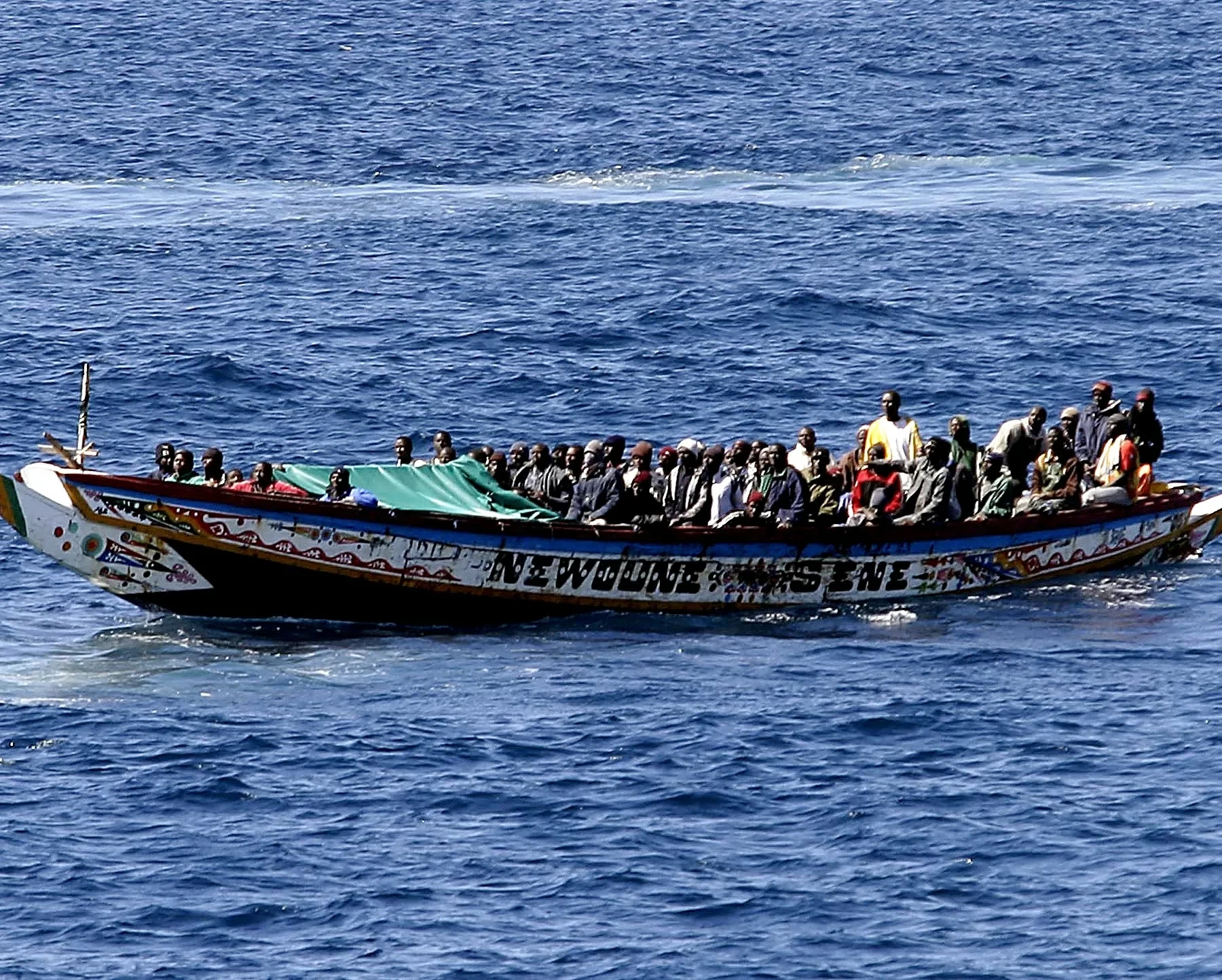
أعلنت المنظمة الدولية للهجرة اليوم (الأحد)، مقتل ما لا يقل عن 109 مهاجرين، وفقد 116 آخرين، في غرق قارب قبالة سواحل جيبوتي.
وأكدت مصادر محلية أن القارب كان على متنه نحو 360 شخصاً، وأن 80 شخصاً نجوا من الغرق، في حين ما يزال نحو 120 في عداد المفقودين. وأضافت أن عمليات البحث عن المفقودين ما تزال جارية، ونقل عن ناجين أن حمولة القارب الكبيرة تسببت في غرقه.
وفي بيانها، كشفت المنظمة التابعة للأمم المتحدة، استناداً إلى شهادات ناجين، أن القارب أبحر من جيبوتي متجهاً إلى اليمن، قبل أن ينقلب شمال ساحل مدينة أبوك الجيبوتية ليل الثامن إلى التاسع من أكتوبر الجاري، مشيرةً إلى أن فرقها تساند السلطات المحلية في تقديم المساعدات الطارئة على الأرض.
وقال رئيس بعثة المنظمة في جيبوتي ألكسندر كواساك: “إنها خسارة مروعة في الأرواح. قلوبنا مع الناجين والعائلات التي فقدت أحباءها أو لا تزال تجهل مصير أقاربها”. وأضاف أن هذه المأساة تذكير صارخ بالمخاطر التي يواجهها المهاجرون على طريق الهجرة هذا سعياً وراء فرص اقتصادية. وأوضحت المنظمة أن جثث الضحايا الـ109 التي انتُشلت تعود إلى 52 رجلاً و42 امرأة و15 طفلاً، بينهم 9 فتيات و6 فتيان، في حين نجا من الحادث أكثر من 80 شخصاً، جميعهم إثيوبيون.
ورغم الحرب المستمرة في اليمن، لم تتوقف حركة المهاجرين القادمين من القرن الأفريقي إلى سواحله، إذ يحاول المهاجرون عبور مضيق باب المندب إلى اليمن وصولاً إلى دول الخليج.
وتحد شهود عيان أن المهاجرين من دول القرن الأفريقي يستمرون في محاولة الوصول إلى اليمن بحثاً عن فرص عمل أو سعياً للتوجه نحو دول الخليج، بينما يفر الآلاف من هذا اليمن إلى جيبوتي هرباً من الحرب.
وفي أغسطس 2026 وحده، رصدت المنظمة الدولية للهجرة دخول 11 ألفاً و397 مهاجراً إلى اليمن، بانخفاض بـ17% عن يوليو 2026، حين سجلت 13 ألفاً و687. وجاء 63% من التدفقات التي رصدتها المنظمة من جيبوتي ووصلت أساساً إلى سواحل أبين وتعز، ووصل 33% من الصومال عبر شبوة، و4% من سلطنة عُمان. وشكل الرجال 63% من الوافدين، والنساء 18%، والأطفال 19%.
The International Organization for Migration announced today (Sunday) that at least 109 migrants have died and 116 others are missing after a boat sank off the coast of Djibouti.
Local sources confirmed that the boat was carrying about 360 people, and that 80 individuals survived the sinking, while around 120 are still missing. They added that search operations for the missing are ongoing, and survivors reported that the boat’s heavy load caused it to capsize.
In its statement, the UN-affiliated organization revealed, based on testimonies from survivors, that the boat had set sail from Djibouti heading to Yemen before capsizing north of the Djiboutian city of Obock on the night of October 8 to 9. It noted that its teams are assisting local authorities in providing emergency aid on the ground.
Alexander Kuwasak, the head of the organization’s mission in Djibouti, stated: “It is a tragic loss of life. Our hearts are with the survivors and the families who have lost loved ones or are still unaware of the fate of their relatives.” He added that this tragedy is a stark reminder of the dangers faced by migrants on this migration route in search of economic opportunities. The organization clarified that the bodies of the 109 victims recovered belong to 52 men, 42 women, and 15 children, including 9 girls and 6 boys, while more than 80 individuals, all of whom are Ethiopian, survived the incident.
Despite the ongoing war in Yemen, the movement of migrants coming from the Horn of Africa to its shores has not stopped, as migrants attempt to cross the Bab el-Mandeb Strait to Yemen and then to Gulf countries.
Eyewitnesses report that migrants from Horn of Africa countries continue to attempt to reach Yemen in search of job opportunities or in pursuit of heading towards Gulf countries, while thousands flee Yemen to Djibouti to escape the war.
In August 2026 alone, the International Organization for Migration recorded the entry of 11,397 migrants into Yemen, a decrease of 17% from July 2026, when 13,687 were recorded. Of the flows monitored by the organization, 63% came from Djibouti and primarily reached the coasts of Abyan and Taiz, while 33% came from Somalia via Shabwa, and 4% from the Sultanate of Oman. Men constituted 63% of the arrivals, women 18%, and children 19%.