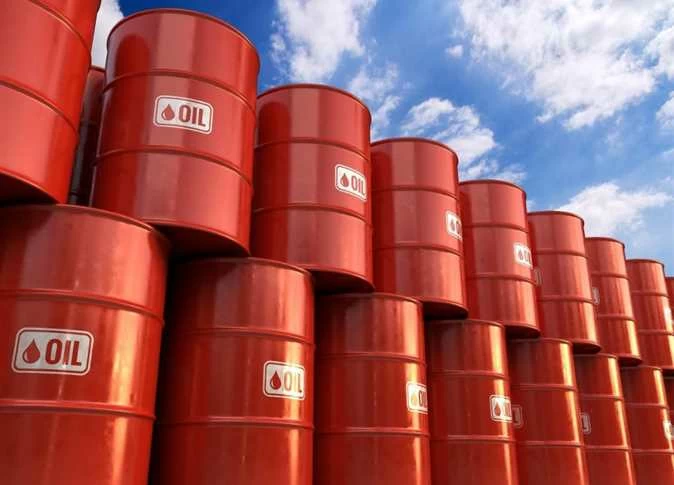
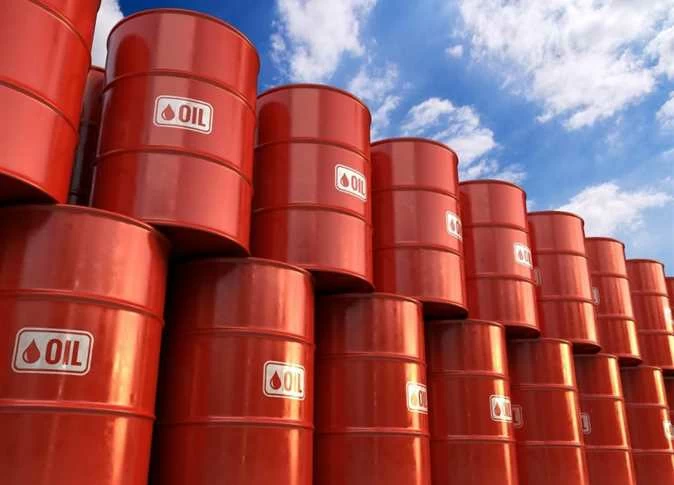
يدرس الاتحاد الأوروبي تجميد السقف السعري للنفط الروسي مؤقتاً مع دخول الحرب في الشرق الأوسط شهرها الرابع، بحسب أشخاص مطلعين على الأمر.
وكان التكتل قد اعتمد العام الماضي آلية ديناميكية تضمن تحديد سقف الأسعار تلقائياً كل 6 أشهر عند مستوى يقل بنسبة 15% عن متوسط سعر السوق لخام الأورال الروسي.
ويبلغ السقف السعري الحالي 44.10 دولار للبرميل، ومن المقرر مراجعته في وقت لاحق من هذا الصيف.
وبموجب السقف السعري، يُحظر على الشركات الأوروبية تقديم خدمات مثل التأمين والنقل المتعلقة بالنفط المباع فوق هذا السعر.
وقفزت أسعار النفط نتيجة الحرب الإيرانية والإغلاق شبه الكامل لمضيق هرمز.
ومن المرجح أن تسفر المراجعة المقبلة في شهر يوليو عن رفع السقف السعري إلى ما لا يقل عن 65 دولاراً، متجاوزاً عتبة 60 دولاراً التي حددتها مجموعة الدول السبع في وقت سابق، بحسب الأشخاص الذين تحدثوا شريطة عدم الكشف عن هوياتهم نظراً إلى سرية المداولات.
سقف التجميد
التجميد سيبقي سقف الأسعار عند مستواه الحالي، وتدرس دول التكتل خيارات أخرى منها تعليق الزيادات الديناميكية والتلقائية حتى نهاية العام في ضوء الظروف الاستثنائية في الشرق الأوسط، أو تقييد أي سقف بمستوى 60 دولاراً تمشياً مع المستوى الذي حددته مجموعة السبع، بحسب الأشخاص.
هذا الإجراء سيكون جزءاً من أحدث حزمة عقوبات من الاتحاد الأوروبي، وهي الـ21 منذ الغزو الروسي الشامل لأوكرانيا عام 2022. ويسعى الاتحاد إلى استكمال حزمة الإجراءات الجديدة واقتراحها رسمياً في أوائل شهر يونيو، وقد جرى إطلاع مبعوثي الدول الأعضاء على الخطة الأسبوع الماضي.
وتشمل التدابير الأخرى الجارية دراستها ضمن حزمة العقوبات الجديدة استهداف المزيد من البنوك وتجار النفط والمصافي ومشغلي الأصول المشفرة في دول أخرى تستخدمها موسكو للالتفاف على عقوبات التكتل.
كما ستُفرض عقوبات على نحو 20 ناقلة إضافية ضمن أسطول الظل الذي تعتمد عليه روسيا لنقل نفطها، على أن تمتد هذه العقوبات لاحقاً إلى السفن التي تنقل الغاز الطبيعي المسال، ما سيحد من قدرة الكرملين على إنشاء أسطول ظل للغاز المسال.
The European Union is considering temporarily freezing the price cap on Russian oil as the war in the Middle East enters its fourth month, according to sources familiar with the matter.
The bloc had adopted a dynamic mechanism last year that ensures the price cap is automatically set every six months at a level 15% below the market average price for Russian Urals crude.
The current price cap is $44.10 per barrel, and it is scheduled to be reviewed later this summer.
Under the price cap, European companies are prohibited from providing services such as insurance and transportation related to oil sold above this price.
Oil prices surged due to the Iranian war and the near-total closure of the Strait of Hormuz.
The upcoming review in July is likely to raise the price cap to at least $65, surpassing the $60 threshold set by the Group of Seven earlier, according to the sources who spoke on condition of anonymity due to the confidentiality of the discussions.
Freeze Cap
The freeze will keep the price cap at its current level, and the bloc’s countries are considering other options, including suspending dynamic and automatic increases until the end of the year in light of the exceptional circumstances in the Middle East, or capping any limit at the $60 level in line with the threshold set by the G7, according to the sources.
This measure will be part of the EU’s latest sanctions package, the 21st since Russia’s full-scale invasion of Ukraine in 2022. The EU aims to finalize the new set of measures and propose them officially in early June, and EU member state envoys were briefed on the plan last week.
Other measures currently being considered within the new sanctions package include targeting more banks, oil traders, refineries, and cryptocurrency operators in other countries that Moscow uses to circumvent the bloc’s sanctions.
Sanctions will also be imposed on about 20 additional tankers within the shadow fleet that Russia relies on to transport its oil, with these sanctions later extending to ships transporting liquefied natural gas, which will limit the Kremlin’s ability to establish a shadow fleet for LNG.