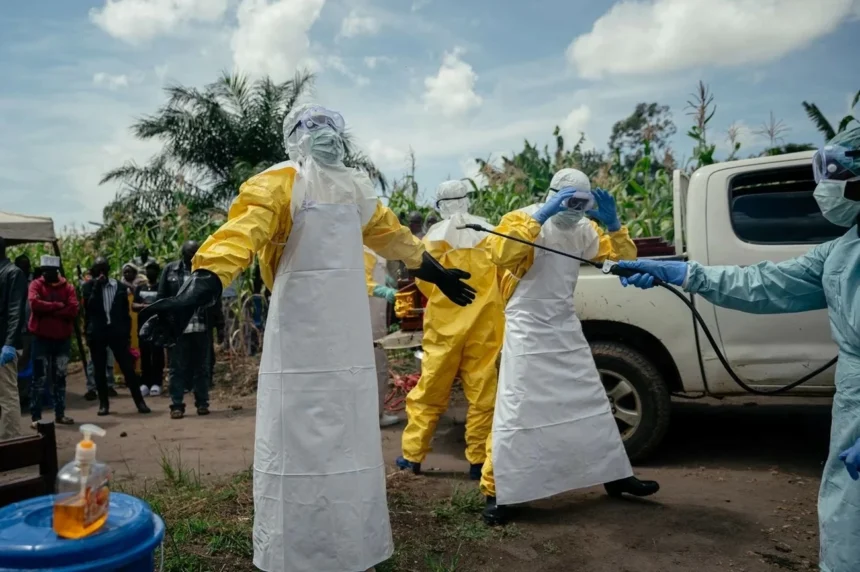
أعلنت مفوضية الأمم المتحدة لشؤون اللاجئين تسجيل أولى حالات الوفيات المرتبطة بفيروس إيبولا داخل مخيم للنازحين في شرق جمهورية الكونغو الديمقراطية، وسط تحذيرات عمال الإغاثة من خطر انتشار المرض بسرعة كبيرة في المواقع المكتظة.
وأكدت المفوضية وفاة شخصين مرتبطين بالفيروس في مخيم كبانغبا بإقليم إيتوري، والذي يؤوي نحو 30 ألف نازح، إذ ذكرت مصادر إغاثية أن الضحيتين هما أم وابنتها، توفيتا في 31 مايو و1 يونيو، وتم تأكيد إصابتهما بإيبولا بعد فحوصات أجرتها منظمة الصحة العالمية.
وحذر عمال الإغاثة، ومن بينهم مجلس اللاجئين الدنماركي، من أن المخيمات المزدحمة تشكل بيئة مثالية لانتشار الفيروس بسرعة، مما قد يؤدي إلى حالة من الذعر ونزوح جماعي إضافي.
وقالت كايتلين برادي، المديرة المؤقتة للمجلس في الكونغو: «نحن قلقون جداً من أن إيبولا في هذه المخيمات سينتشر بسرعة فائقة، وقد يؤدي إلى ذعر يدفع الناس إلى الفرار سواء كانوا مصابين أم لا».
يأتي هذا التطور ضمن تفشي وباء إيبولا (سلالة بونديبوغيو) الذي أعلن في منتصف مايو 2026 في إقليم إيتوري وامتد إلى شمال وجنوب كيفو، وأعلنته منظمة الصحة العالمية طوارئ صحية عامة ذات أهمية دولية، وحتى منتصف يونيو، سجلت الكونغو أكثر من 676 حالة مؤكدة و136 وفاة، بالإضافة إلى حالات في أوغندا المجاورة.
وتعاني المنطقة من أزمة إنسانية حادة، إذ يوجد أكثر من مليوني نازح في المناطق المتضررة، وسط نزاعات مسلحة مستمرة، وضعف في البنية التحتية الصحية، وصعوبة في الوصول إلى المناطق المتضررة.
ويُعد هذا التفشي الـ17 لفيروس إيبولا في الكونغو، ويتميز بغياب لقاح أو علاج محدد لسلالة بونديبوغيو حتى الآن، مما يعقد جهود السيطرة عليه.
وتعمل المفوضية الأممية والمنظمات الشريكة على تعزيز إجراءات الوقاية، من خلال توزيع مواد النظافة، تركيب نقاط غسيل اليدين، وتنفيذ حملات توعية مجتمعية، لكن نقص التمويل الدولي يظل عقبة رئيسية أمام الاستجابة الكاملة.
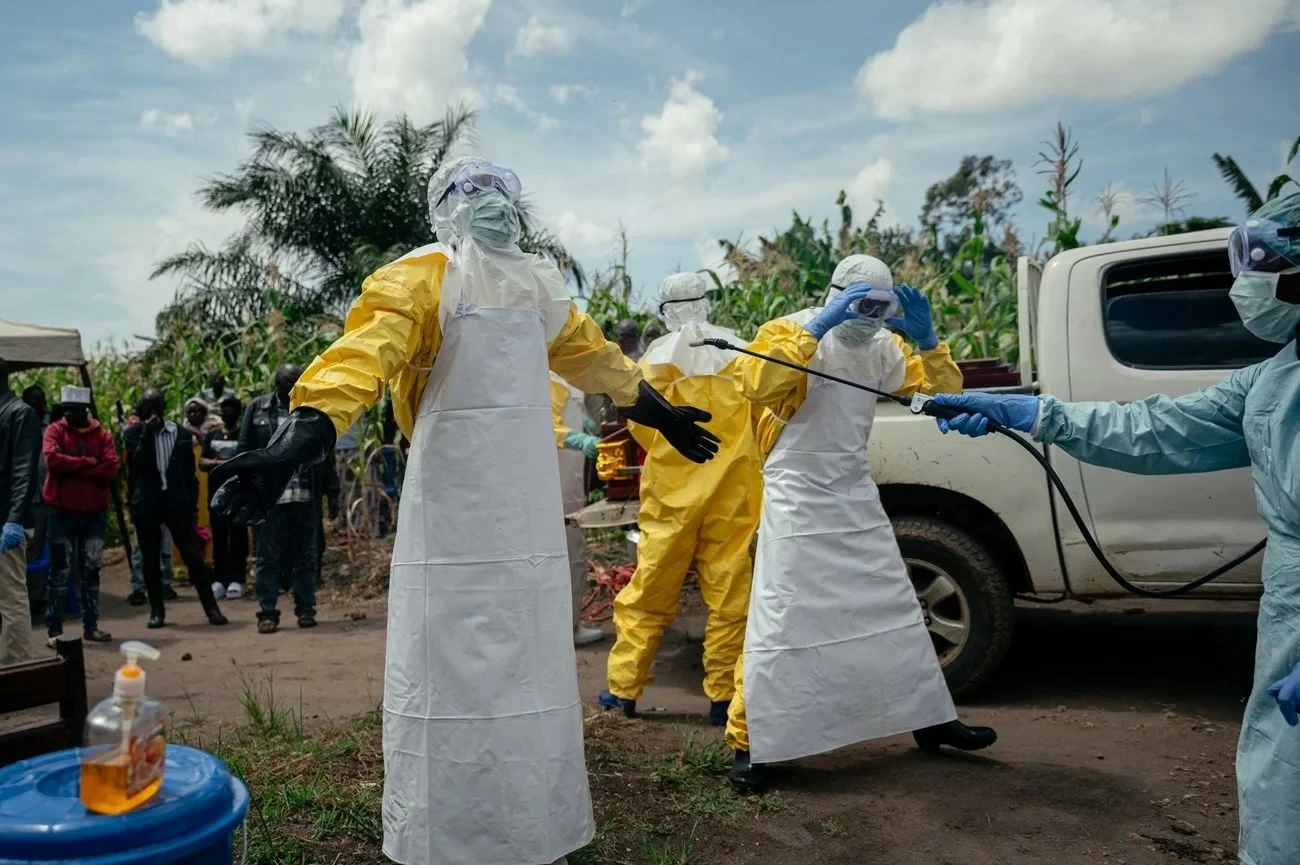
The United Nations High Commissioner for Refugees announced the first reported deaths linked to the Ebola virus inside a displacement camp in eastern Democratic Republic of the Congo, amid warnings from relief workers about the rapid spread of the disease in overcrowded locations.
The Commission confirmed the deaths of two individuals linked to the virus in the Kabanga camp in Ituri Province, which houses around 30,000 displaced persons. Relief sources indicated that the victims were a mother and her daughter, who died on May 31 and June 1, respectively, and their Ebola infections were confirmed following tests conducted by the World Health Organization.
Relief workers, including the Danish Refugee Council, warned that overcrowded camps create an ideal environment for the virus to spread rapidly, potentially leading to panic and further mass displacement.
Caitlin Brady, the interim director of the council in Congo, stated: “We are very concerned that Ebola in these camps will spread at an alarming rate, which could lead to panic that drives people to flee whether they are infected or not.”
This development comes amid the outbreak of the Ebola epidemic (Bundibugyo strain) declared in mid-May 2026 in Ituri Province, which has extended to North and South Kivu. The World Health Organization has declared it a public health emergency of international concern. By mid-June, Congo had recorded more than 676 confirmed cases and 136 deaths, in addition to cases in neighboring Uganda.
The region is suffering from a severe humanitarian crisis, with over two million displaced persons in the affected areas, amid ongoing armed conflicts, weak health infrastructure, and difficulties in accessing the affected regions.
This is the 17th outbreak of the Ebola virus in Congo, characterized by the absence of a vaccine or specific treatment for the Bundibugyo strain so far, complicating control efforts.
The UN agency and partner organizations are working to enhance preventive measures by distributing hygiene materials, installing handwashing stations, and implementing community awareness campaigns, but a lack of international funding remains a major obstacle to a full response.