

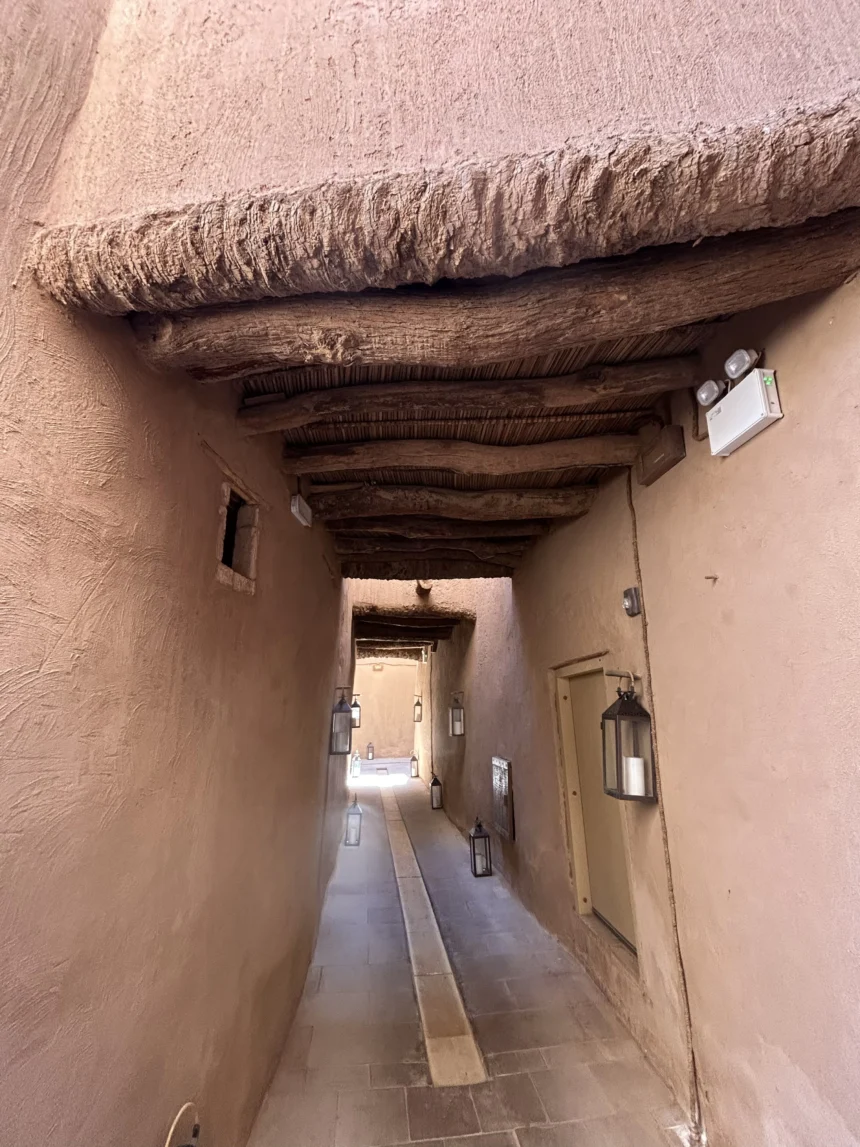
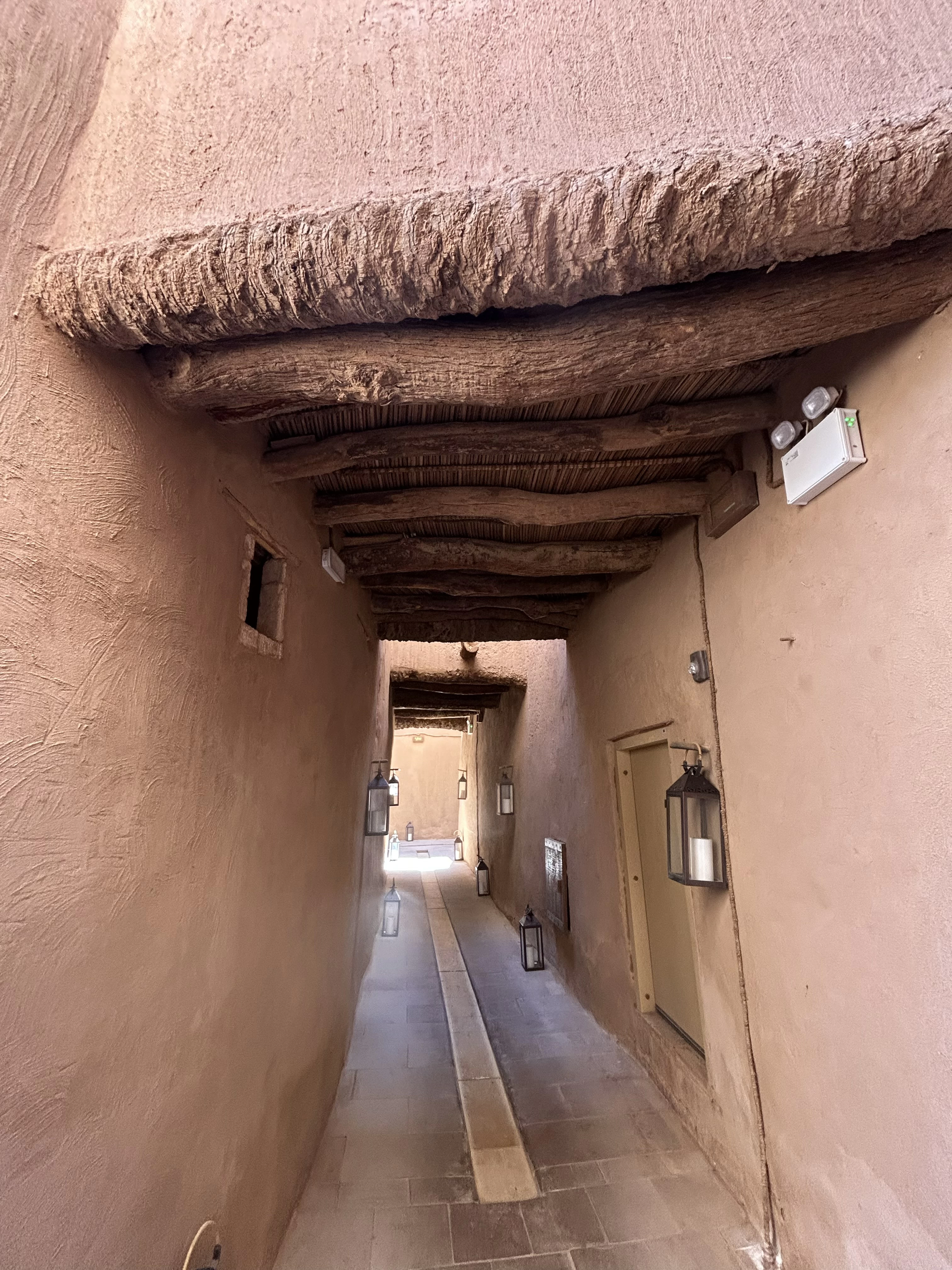
تتحول المباني في البلدة القديمة بمحافظة العلا من مجرد طينٍ وحجارةٍ وأخشابٍ عتيقة إلى كائنات حيّة تحفظ في ذاكرتها قروناً من الحكايات، وتهمس لكل عابر بأن هنا عاش أناسٌ أحبوا الأرض، وصنعوا من تفاصيل حياتهم اليومية إرثاً لا يزال ينبض حتى اليوم. رغم تعاقب الأزمنة، تنتصب البيوت الطينية شامخة كشيوخ وقورين حفرت الشمس على وجوههم ملامح السنين. وتطل بصمت نوافذها الصغيرة كعيونٍ متأملة، على طرقاتٍ كانت يوماً تضج بخطوات المسافرين والتجار والحجاج، الذين اتخذوا من العلا محطةً آمنة في رحلاتهم الطويلة. وفي أزقة البلدة الضيقة، تتعانق الجدران الطينية في مشهد يوحي بالألفة والتكاتف، وكأن البيوت تعلمت من ساكنيها معنى الجوار والمحبة، بينما يتسلل الضوء من الأعلى خيوطاً ذهبية ترسم لوحاتٍ متغيرة تمنح المكان حياةً متجددة وتتمدد الأخشاب القديمة بين الجدران كأذرعٍ تحفظ توازن الزمن، وشاهدةً على أجيال تعاقبت تحتها لتروي ما تختزنه من أسرار.
وحين يرفع الزائر رأسه إلى السماء ليرى الزرقة الصافية تتسع فوق الجدران العتيقة يشعر أن المكان لا يكتفي بأن يُرى، بل يريد أن يُعاش؛ فكل زاوية وبابٍ يحملان قصة وذكرى، وكل حجرٍ يعرف بأسماء الذين مروا من هنا يوماً. البلدة القديمة في العلا ليست موقعاً تراثياً فحسب، بل ذاكرة جماعية وكتابٌ مفتوح كُتبت صفحاته بسواعد البشر، ما يجعل المتجول بين ممراتها وأزقتها كأنه يصافح الزمن نفسه.
وتبقى البلدة القديمة شاهدةً على عبقرية الإنسان في التكيف مع البيئة، وعلى قدرة المكان وعلى الاحتفاظ بروحه مهما تبدلت الأيام. فبين هذه الجدران لا يزال الماضي حاضراً، لا كذكرى بعيدة، بل كصوتٍ خافت يقول لكل زائر: «مرّ من هنا أناسٌ بسطاء، لكنهم تركوا أثراً أكبر من العمر وأبقى من الزمن».
The buildings in the old town of Al-Ula transform from mere clay, stones, and ancient wood into living entities that preserve centuries of stories in their memories, whispering to every passerby that here lived people who loved the land and crafted from the details of their daily lives a legacy that still pulses to this day. Despite the passage of time, the clay houses stand tall like dignified elders, their faces etched by the sun with the marks of years. Their small windows gaze silently like contemplative eyes upon streets that once buzzed with the footsteps of travelers, merchants, and pilgrims who made Al-Ula a safe stop on their long journeys. In the narrow alleys of the town, the clay walls embrace each other in a scene that suggests familiarity and solidarity, as if the houses have learned from their inhabitants the meaning of neighborliness and love, while light filters down from above in golden threads, painting changing canvases that grant the place renewed life, and the old wood stretches between the walls like arms that maintain the balance of time, bearing witness to generations that have passed beneath it to tell the secrets it holds.
And when a visitor raises their head to the sky to see the clear blue expanding above the ancient walls, they feel that the place is not content merely to be seen, but wants to be lived; for every corner and door carries a story and a memory, and every stone knows the names of those who passed here one day. The old town of Al-Ula is not just a heritage site, but a collective memory and an open book whose pages have been written by human hands, making the wanderer among its passages and alleys feel as if they are shaking hands with time itself.
And the old town remains a testament to human ingenuity in adapting to the environment, and to the ability of the place to retain its spirit no matter how the days change. For within these walls, the past is still present, not as a distant memory, but as a faint voice that tells every visitor: “Simple people passed through here, but they left a mark greater than a lifetime and more enduring than time.”