

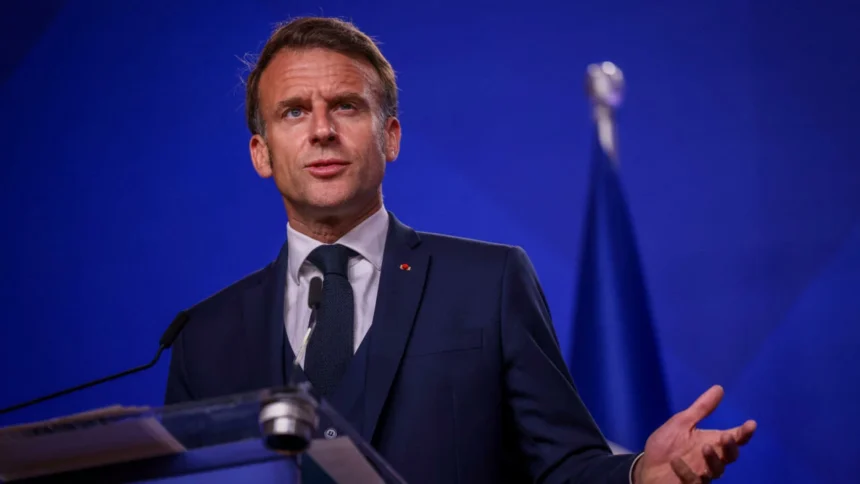
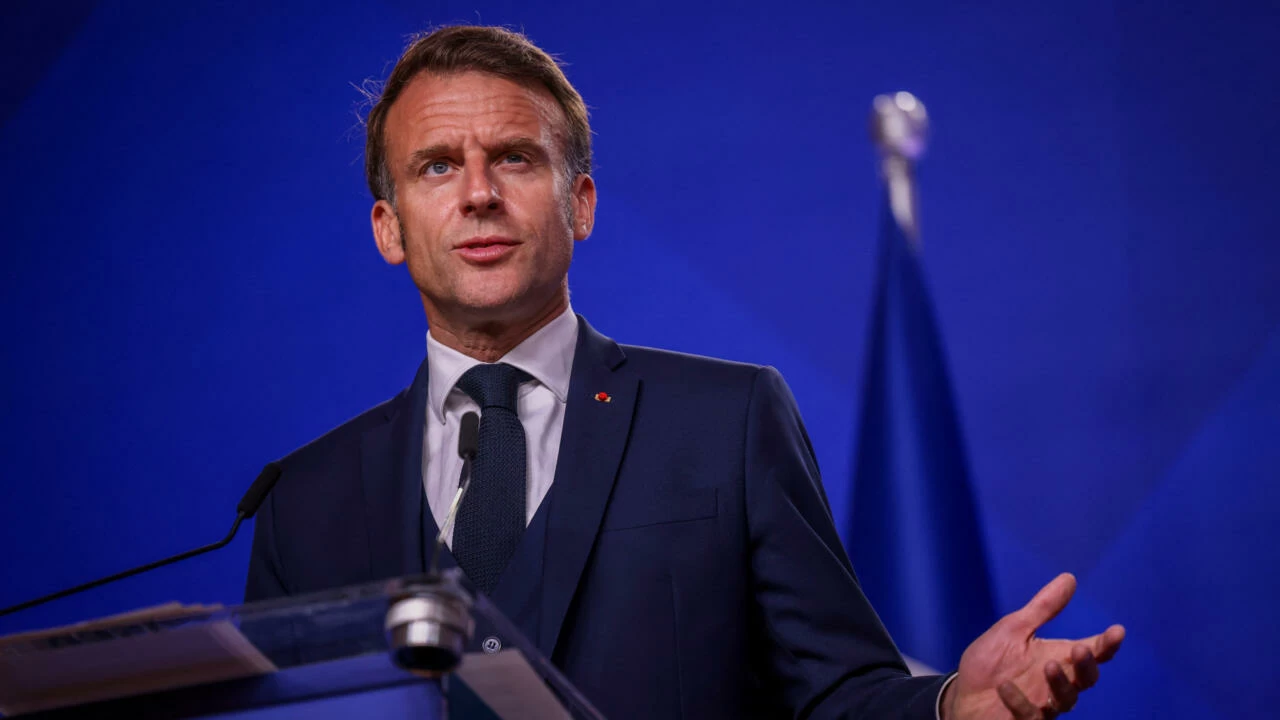
أكد الرئيس الفرنسي إيمانويل ماكرون أن السعودية يمكنها إنشاء خطوط أنابيب تمرُّ عبر أراضيها لتصل إلى البحر الأحمر، ثم يتم إيصالها عبر مصر إلى البحر الأبيض المتوسط، ضمن جهود دولية لتقليل الاعتماد على مضيق هرمز.
وقال ماكرون في تصريحات أدلى بها لقناة (TF1) الفرنسية قبيل انطلاق أعمال قمة مجموعة السبع في إيفيان: إنه يمكن العمل على إنشاء خطوط أنابيب غاز تمر عبر العراق وسوريا ولبنان لتخرج من منافذ أخرى، بالإضافة إلى تمكين دولة الإمارات من امتلاك خطوط أنابيب تخرج من الجانب الآخر للمضيق.
وأوضح الرئيس الفرنسي أن الهدف الرئيسي من هذه المشاريع هو إيجاد مسارات بديلة لنقل الطاقة، مشدداً على أن ذلك يتطلب بناء بنية تحتية ضخمة، ويمثل التزاماً أساسياً لمجموعة السبع.
وحول الاتفاق الأمريكي الإيراني، أعرب ماكرون عن تقييمه الإيجابي له، قائلاً: «هذا أمر جيد»، وأضاف: «سنبذل كل ما في وسعنا وسنبدأ بالتحرك والحشد اعتباراً من هذا المساء».
وأشار ماكرون إلى أن العمل لن يقتصر على أعضاء مجموعة السبع، بل سيمتد إلى الشركاء المدعوين، لافتاً إلى وجود جلسة مخصصة للمسألة الإيرانية والوضع في الشرق الأوسط تشارك فيها مصر والإمارات وقطر.
وشدد على ضرورة بذل كل الجهود لتحويل الاتفاق إلى واقع، وإعادة فتح مضيق هرمز بشكل سلمي، مؤكداً أن ذلك أمر بالغ الأهمية لمواطني دول العالم كافة، لأن نحو ربع إنتاج النفط والغاز العالمي يمر عبر هذا المضيق.
وكشف ماكرون عن الاستعداد العسكري الفرنسي، مشيراً إلى وجود بعثة مشتركة مع بريطانيا، ومشاركة دول أخرى مثل هولندا وإيطاليا، معلناً جاهزية حاملة الطائرات (شارل ديجول) مع كل القطع البحرية المرافقة لها، التي يمكن نشرها خلال يومين إلى ثلاثة أيام.
وفيما يتعلق باحتمال فرض رسوم عبور على المضيق، حذر ماكرون من أن هذا الإجراء سيخلق سابقة خطيرة ترفع الأسعار عالمياً، مؤكداً أنه لا يتوافق مع القانون الدولي، وأن فرنسا ستفعل كل ما في وسعها لمنع حدوثه.
وختم ماكرون تصريحاته بالإشارة إلى أن الاتفاق قد أُبرم، وأن هناك ملاحق سيتم وضع صيغتها النهائية (الجمعة المقبل)، داعياً إلى توخي اليقظة الكاملة في الساعات القادمة.
تصريحات ماكرون تأتي في توقيت حساس، قبيل انطلاق قمة مجموعة السبع في مدينة إيفيان الفرنسية، وسط تطورات دبلوماسية متسارعة حول الاتفاق الأمريكي الإيراني.
وتعكس التصريحات الاهتمام الفرنسي والأوروبي بأمن الطاقة العالمي، خاصة في ظل التوترات التي أدت إلى تعطيل الملاحة في مضيق هرمز، الذي يُعد شرياناً حيوياً لإمدادات الطاقة العالمية.
French President Emmanuel Macron confirmed that Saudi Arabia can create pipelines that pass through its territory to reach the Red Sea, which can then be transported through Egypt to the Mediterranean Sea, as part of international efforts to reduce dependence on the Strait of Hormuz.
Macron stated in remarks made to French channel (TF1) just before the G7 summit in Évian: that work can be done to establish gas pipelines that pass through Iraq, Syria, and Lebanon to exit through other outlets, in addition to enabling the United Arab Emirates to own pipelines that exit from the other side of the strait.
The French president explained that the main goal of these projects is to find alternative routes for energy transport, emphasizing that this requires building massive infrastructure and represents a fundamental commitment for the G7.
Regarding the U.S.-Iran agreement, Macron expressed his positive assessment of it, saying: “This is a good thing,” and added: “We will do everything we can and we will start moving and mobilizing from this evening.”
Macron pointed out that the work will not be limited to G7 members but will extend to invited partners, noting that there will be a dedicated session on the Iranian issue and the situation in the Middle East involving Egypt, the UAE, and Qatar.
He stressed the need to make every effort to turn the agreement into reality and to reopen the Strait of Hormuz peacefully, affirming that this is extremely important for citizens of all countries around the world, as about a quarter of global oil and gas production passes through this strait.
Macron revealed the French military readiness, indicating that there is a joint mission with Britain, along with participation from other countries such as the Netherlands and Italy, announcing the readiness of the aircraft carrier (Charles de Gaulle) with all its accompanying naval vessels, which can be deployed within two to three days.
Regarding the possibility of imposing transit fees on the strait, Macron warned that this action would create a dangerous precedent that would raise prices globally, affirming that it does not comply with international law, and that France will do everything in its power to prevent it from happening.
Macron concluded his remarks by noting that the agreement has been reached, and that there are appendices that will be finalized (next Friday), calling for complete vigilance in the coming hours.
Macron’s statements come at a sensitive time, just before the G7 summit in Évian, amid rapidly evolving diplomatic developments regarding the U.S.-Iran agreement.
These statements reflect French and European interest in global energy security, especially in light of the tensions that have disrupted navigation in the Strait of Hormuz, which is considered a vital artery for global energy supplies.