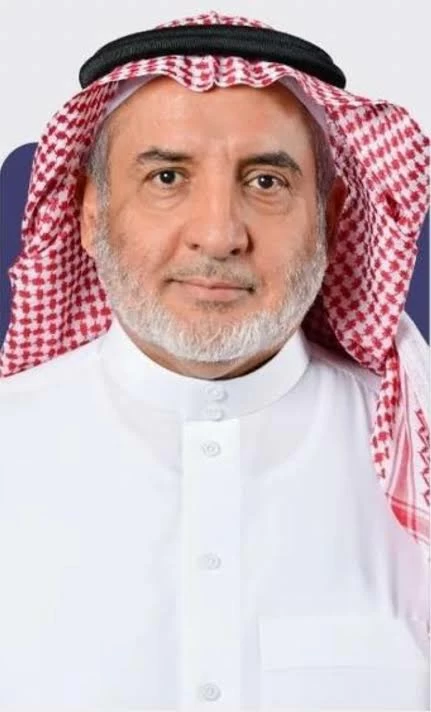
كشف رئيس مجلس إدارة غرفة الرياض المهندس عبدالله العبيكان، عن توجه الغرفة لتطوير منتدى الرياض الاقتصادي وإعادة هيكلته، بما يعزز مكانته منصة وطنية أكثر تأثيراً واستدامة، ويرفع كفاءة دراساته ومخرجاته، ويربطها بالأولويات الاقتصادية لدعم صناعة القرار وتحويل المعرفة إلى أثر تنموي ملموس.
وأكد العبيكان، خلال افتتاح الدورة الـ12 للمنتدى، التي انطلقت اليوم (الإثنين) وتستمر حتى 14 أكتوبر الجاري، أن التحدي في ظل التحولات الاقتصادية المتسارعة لم يعد يقتصر على مواكبة المتغيرات، بل استباقها وتحويلها إلى فرص للنمو، مشيراً إلى أن التنافسية لا تعتمد على وفرة الموارد وحدها، وإنما على جودة القرار وإنتاج المعرفة وتوظيفها.
وأوضح أن المنتدى يناقش عدداً من الملفات الاقتصادية، أبرزها تحديات المدن الكبرى، وتعظيم العوائد الاقتصادية للفعاليات العالمية التي تستضيفها المملكة، وتطوير التشريعات، ونقل المعرفة وتوطينها، وتوظيف التقنيات والذكاء الاصطناعي لتعزيز الأمن المائي والغذائي.
وأشار إلى أن التحولات الاقتصادية التي تشهدها المملكة في ظل رؤية 2030 أسهمت في توسيع الفرص الاستثمارية وتعزيز مساهمة القطاع الخاص، مؤكداً أهمية دوره في استشراف المتغيرات وصناعة الحلول وتحقيق التنمية المستدامة.
The Chairman of the Riyadh Chamber of Commerce, Engineer Abdullah Al-Obaikan, revealed the chamber’s intention to develop and restructure the Riyadh Economic Forum, enhancing its position as a more impactful and sustainable national platform, improving the efficiency of its studies and outputs, and linking them to economic priorities to support decision-making and transform knowledge into tangible developmental impact.
Al-Obaikan emphasized, during the opening of the 12th session of the forum, which started today (Monday) and will continue until October 14, that the challenge in light of rapid economic transformations is no longer limited to keeping pace with changes, but rather anticipating them and turning them into growth opportunities. He pointed out that competitiveness does not solely depend on the abundance of resources, but also on the quality of decision-making, knowledge production, and its application.
He explained that the forum discusses several economic files, most notably the challenges of major cities, maximizing the economic returns of global events hosted by the Kingdom, developing legislation, transferring and localizing knowledge, and employing technologies and artificial intelligence to enhance water and food security.
He noted that the economic transformations taking place in the Kingdom under Vision 2030 have contributed to expanding investment opportunities and enhancing the private sector’s contribution, emphasizing the importance of its role in anticipating changes, creating solutions, and achieving sustainable development.