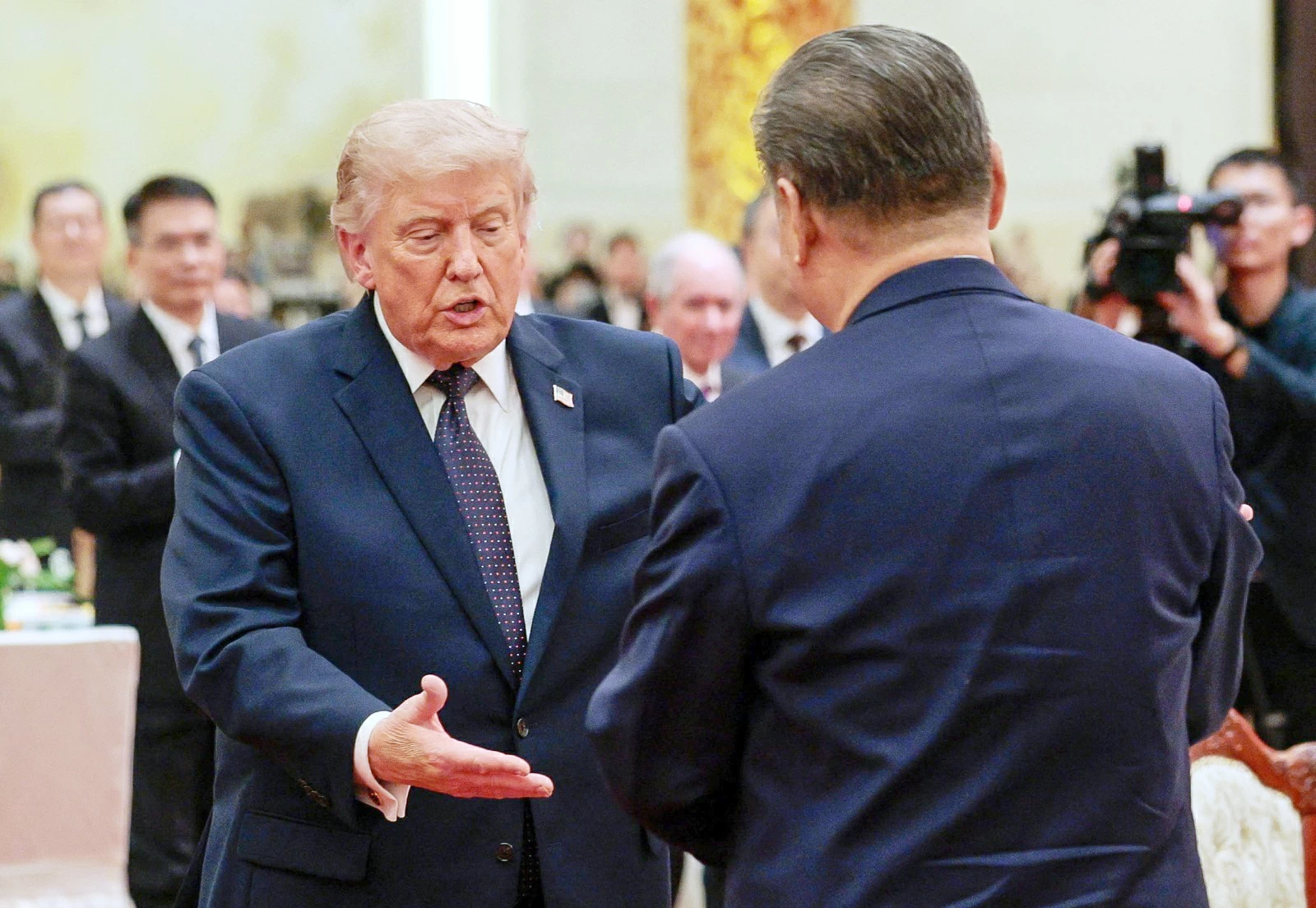
وضع الرفض الأمريكي الأخير حداً حاسماً لكثير من أشكال المناورة فوق الطاولة وتحتها، فبينما كان العالم يترقّب دخاناً أبيض يخرج من أروقة الخارجية الأمريكية، جاء الرفض الصارم على الرد الإيراني ليعيد الجميع إلى المربع الأول، لكنه هذه المرة مربع ملغم بالبارود لا بالوعود.
والسؤال: من سيكسر أصابع الآخر في هذه المصافحة المستحيلة؟ فالرد الإيراني على المقترح أو الرؤية الأمريكية الجديدة للمنطقة، كان «فيتو موضوعي» مما يضعنا أمام مشهد يتجاوز حدود التهديدات المتبادلة.
أوراق القوة المهترئة
من يراقب المشهد في طهران يدرك أن صانع القرار هناك لا يتحرك من منطلق القوة المطلقة، بل من منطلق المراوغة تحت الضغط، وإيران نفسها تدرك أن القبول بالمقترح الأمريكي كما هو يعني انتحاراً سياسياً للداخل، ورفضه بالكامل يعني مواجهة مباشرة مع إدارة أمريكية لا تشبه سابقتها في ضبط النفس.
لذا، جاء الرد الإيراني بصيغة «نعم.. ولكن»، وهذه الـ«لكن» هي التي فجرت غضب واشنطن الساعية لتفكيك كامل لشبكة النفوذ الإقليمي، بينما تصر طهران على أن أوراقها العابرة للحدود هي التأمين الوحيد لبقائها. وهذا التضاد هو الصراع الوجودي الذي أوصل إلى طريق مسدود، بعدما بات يُنظر في البيت الأبيض إلى القنوات الدبلوماسية الحالية كعملية استنزاف للوقت، مما أغلق نافذة التفاوض من أجل التفاوض، ليفتح أبواب الخيارات الأخرى.
بكين.. الصديق الذي
يختبر التوازن
في هذه الأثناء، تتجه الأنظار إلى نتائج القمة الصينية الأمريكية، وهنا يقع كثيرون في فخ اعتبار أن الصين ستكون تلقائياً «المحامي» عن إيران.
لكن القراءة الأدق تقول إن بكين تتحرك بمنطق التوازن البارد، لا الالتزام السياسي، وتنظر الصين إلى إيران كعنصر مهم في معادلة الطاقة والضغط الجيوسياسي مع واشنطن، لكنها ليست طرفاً مستعداً لدفع كلفة مواجهة مفتوحة من أجلها. وبكلمات أوضح: الصين تريد الرقائق، تدفق النفط، واستقرار الأسواق، لكنها لا تريد تحمّل تبعات صدام مباشر مع واشنطن بسبب التصعيد الإيراني. لذلك، فإن الرهان الإيراني على مظلة صينية صلبة قد يصطدم بحدود المصالح عندما تتقدم الملفات الكبرى بين واشنطن وبكين، خصوصاً في التكنولوجيا والتجارة وسلاسل الإمداد.
ومن المرجح ألا تغامر الصين بمصالحها البنيوية من أجل انزلاق إيراني غير محسوب في مضيق هرمز.
ما بعد الرفض..
مع انحسار الرهان على الوساطات، تنتقل المواجهة إلى الميدان، وهنا لا نتحدث عن حرب شاملة بالضرورة، قد نرى مجدداً تحركات في مياه الخليج، أو ضربات «مجهولة الهوية» لمراكز إمداد، أو حتى تصعيداً سيبرانياً يشل مفاصل حيوية. الدبلوماسية لم تمت، لكنها دخلت في «غرفة العناية المركزة»، والطرف الذي سيخرج منها حياً هو من يمتلك نفساً أطول في عض الأصابع.
الخلاصة المرة
المشكلة تكمن في أن ترمب يرى في الرفض الإيراني تعطيلاً لقطار الصفقة الذي يقوده، بينما ترى طهران في أي تنازل لواشنطن انتحاراً سياسياً لشرعيتها، وعندما يصطدم إصرار واشنطن مع عناد طهران، تصبح الحلول الوسط مجرد أوهام.
المنطقة لا تنتظر معجزة دبلوماسية، بل «حادث عرضي» يشعل الفتيل، أو تنازل مؤلم من أحد الطرفين تحت ضغط الخنق الاقتصادي أو التهديد العسكري المباشر، فالرفض الإيراني كان إيذاناً ببدء مرحلة «الضغط الأقصى المتجدد»، حيث ستكون القمة الصينية الأمريكية هي الميزان. فإما أن تمنح الصين الضوء الأخضر الضمني لواشنطن لتشديد الخناق، أو تظل إيران «شوكة» في خاصرة التفاهمات الدولية.
اليوم، نحن أمام لاعبين يقفان على حافة الهاوية وكل منهما ينتظر من الآخر خطوة إلى الوراء، لكن الرياح التي تهب من واشنطن ومن خلفها بكين، توحي بأن طهران قد تجد نفسها وحيدة في مواجهة عاصفة لم تكن في الحسبان.. فهل زمن الكلام قد انتهى، أو أن زمن الأفعال الخشنة قد بدأ فعلياً؟
The recent American rejection has put a definitive end to many forms of maneuvering above and below the table. While the world was anticipating white smoke emerging from the halls of the U.S. State Department, the firm rejection of the Iranian response has brought everyone back to square one, but this time it is a square laced with gunpowder rather than promises.
The question is: who will break the other’s fingers in this impossible handshake? The Iranian response to the American proposal or new vision for the region was a “subjective veto,” placing us in a scene that transcends the limits of mutual threats.
Worn-out Power Cards
Those observing the scene in Tehran realize that the decision-makers there are not acting from a position of absolute power, but rather from a position of evasion under pressure. Iran itself understands that accepting the American proposal as it is means political suicide domestically, while outright rejection means a direct confrontation with an American administration that does not resemble its predecessor in terms of restraint.
Thus, the Iranian response came in the form of “Yes… but,” and this “but” is what ignited Washington’s anger, which is seeking a complete dismantling of the regional influence network, while Tehran insists that its cross-border cards are the only guarantee for its survival. This contradiction represents the existential struggle that has led to a deadlock, as the current diplomatic channels are viewed in the White House as a time-wasting process, closing the window for negotiating for the sake of negotiating and opening the doors to other options.
Beijing… the Friend Who
Tests the Balance
Meanwhile, attention turns to the results of the U.S.-China summit, and many fall into the trap of assuming that China will automatically be the “lawyer” for Iran.
However, a more accurate reading suggests that Beijing operates on the logic of cold balance, not political commitment. China views Iran as an important element in the energy equation and geopolitical pressure with Washington, but it is not a party willing to bear the costs of an open confrontation for its sake. In clearer terms: China wants chips, oil flow, and market stability, but it does not want to bear the consequences of a direct clash with Washington due to Iranian escalation. Therefore, Iran’s bet on a solid Chinese umbrella may collide with the limits of interests when major files between Washington and Beijing advance, especially in technology, trade, and supply chains.
It is likely that China will not risk its structural interests for an uncalculated Iranian slip in the Strait of Hormuz.
After the Rejection…
As the bet on mediations wanes, the confrontation shifts to the field, and here we are not necessarily talking about a comprehensive war. We may again see movements in the Gulf waters, or “unknown identity” strikes on supply centers, or even a cyber escalation that paralyzes vital joints. Diplomacy has not died, but it has entered the “intensive care unit,” and the party that will emerge from it alive is the one that has a longer breath in the finger-biting contest.
The Bitter Conclusion
The problem lies in Trump seeing the Iranian rejection as a disruption to the train of the deal he is leading, while Tehran views any concession to Washington as political suicide for its legitimacy. When Washington’s insistence collides with Tehran’s stubbornness, compromises become mere illusions.
The region is not waiting for a diplomatic miracle, but rather an “accidental incident” that ignites the fuse, or a painful concession from one of the parties under the pressure of economic strangulation or direct military threat. The Iranian rejection heralded the beginning of a phase of “renewed maximum pressure,” where the U.S.-China summit will be the balance. Either China grants implicit green light to Washington to tighten the noose, or Iran remains a “thorn” in the side of international understandings.
Today, we are faced with players standing on the edge of the abyss, each waiting for the other to take a step back, but the winds blowing from Washington and behind it Beijing suggest that Tehran may find itself alone in facing a storm that was not anticipated… So, has the time for words ended, or has the time for rough actions actually begun?