


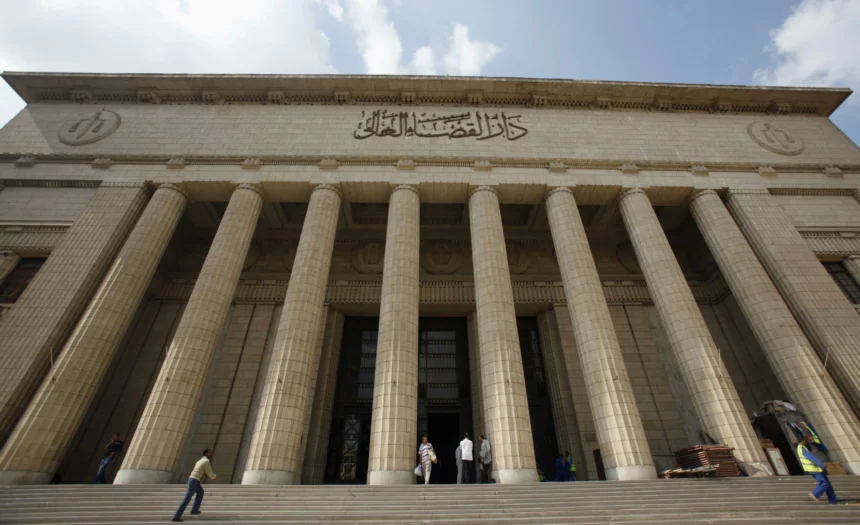
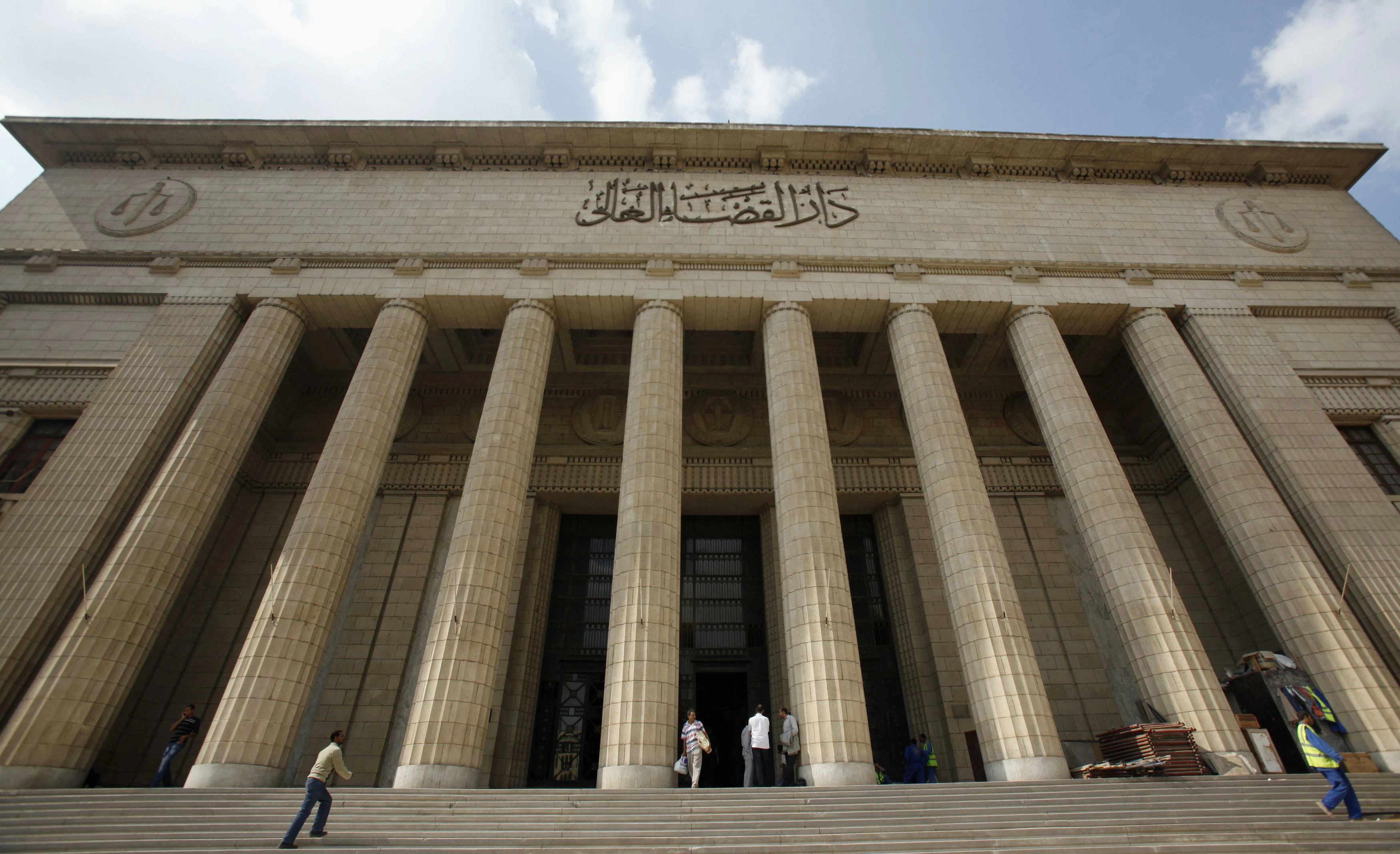
أسدلت محكمة النقض المصرية الستار نهائياً على واحدة من أكثر القضايا الإنسانية التي هزت الرأي العام وصدمت الأوساط التعليمية والتربوية؛ إذ أيدت المحكمة الحكم الصادر بالسجن المشدد لمدة 10 سنوات بحق المتهم بهتك عرض الطفل «ياسين» داخل جدران إحدى المدارس الخاصة بمحافظة البحيرة، ليصبح بذلك الحكم باتاً وقطعياً وغير قابل للطعن بأي طريق من طرق القانون.
وجاء قرار أعلى منصة قضائية في البلاد ليضع حداً قاطعاً لمسار قادته أروقة المحاكم على مدار أشهر طويلة، شهدت محاولات مستميتة ومعارك قانونية خاضتها هيئة الدفاع عن المتهم للالتفاف على الأحكام الصادرة بحقه، متنقلة بين الاستئناف والطعن أمام النقض، وطارحة حزمة من الطلبات القانونية والدفوع التي أثارت جدلاً واسعاً ونقاشاً ممتداً خلال الشهور الماضية.
ووفقاً لمصادر قانونية واكبت جلسات المحاكمة، فقد سعى فريق الدفاع سابقاً إلى المناورة بطرح دفوع عدة، كان من أبرزها طلب عرض المتهم على مصلحة الطب الشرعي لإثبات «حالته الجنسية»، وهو ما واجهته المحكمة برفض حاسم، مستندة إلى عدم صلة هذا الادعاء مباشرة بالوقائع المادية الموثقة للجريمة محل المحاكمة.
ورأى مراقبون ومصادر قانونية أن تلك التحركات والدفوع المتلاحقة لم تكن سوى مساعٍ إجرائية تهدف إلى كسب الوقت وتأخير الفصل النهائي في القضية، أو محاولة لإعادة نظر الحكم من منظور ثانٍ. ولم يتوقف الأمر عند الدفوع الفنية، بل امتد لتوظيف الحالة الصحية للمتهم كـ«ورقة أخيرة» للاستعطاف، عبر الإشارة إلى خضوعه سابقاً لعملية جراحية دقيقة في القلب ومعاناته من مضاعفاتها المزمنة.
The Egyptian Court of Cassation has definitively closed the curtain on one of the most humanitarian cases that shook public opinion and shocked educational and pedagogical circles; the court upheld the ruling of a 10-year rigorous imprisonment for the accused of molesting the child “Yassin” within the walls of a private school in the Beheira Governorate, thus making the ruling final and conclusive, and not subject to appeal by any legal means.
The decision from the highest judicial platform in the country has put a decisive end to a process that led through the courts for many months, witnessing desperate attempts and legal battles fought by the defense team for the accused to circumvent the rulings issued against him, moving between appeals and challenges before the Court of Cassation, and presenting a bundle of legal requests and defenses that sparked widespread controversy and extended discussions over the past months.
According to legal sources that followed the trial sessions, the defense team previously sought to maneuver by presenting several defenses, the most notable of which was a request to subject the accused to forensic examination to prove his “sexual condition,” which the court faced with a decisive rejection, based on the lack of direct relevance of this claim to the documented material facts of the crime under trial.
Observers and legal sources viewed these successive moves and defenses as mere procedural efforts aimed at buying time and delaying the final resolution of the case, or an attempt to reconsider the ruling from a different perspective. The matter did not stop at technical defenses, but extended to employing the accused’s health condition as a “last resort” for sympathy, by referring to his previous undergoing of a delicate heart surgery and his suffering from its chronic complications.