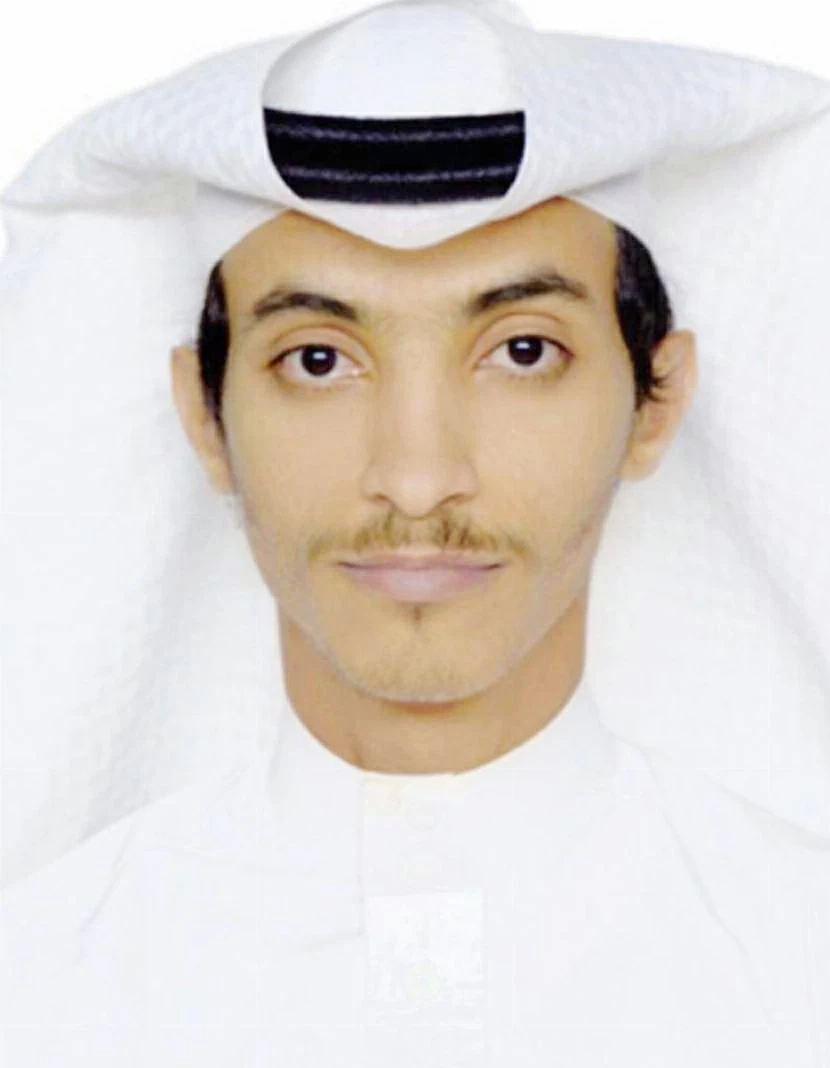
الشاعر الذي قال الكثير في المواقف والشعر والمعنى في القليل من الكلمات.
والإنسان الذي ما إن يحضر اسمه إلاّ ويبتسم الجميع له. الموكلي هو اللحظة الفارقة في كل شيء، في الصداقة والنُبل وكرم وعزة النفس.
ومنذ تعرفت عليه وكأن «اللقاء معه يصبح نوعاً من البروتين الثقافي الذي يلزمك أن تتغذى عليه كل يوم»، فالكتب والإصدارات الثقافية العربية والمجلات لا يمكنك أن تراها إلا في مجلسه ومجلس الروائي الحبيب عمرو العامري، والشاعر إبراهيم زولي قبل قراره تحويل كتبه إلى غرفة نومه. بل حتى أن الموكلي لا تراه متجلياً وحاضراً أكثر إلا في مجلسه، ذلك المجلس الدائري الذي يُخيّل لك وأنت تقترب من فتح نوافذه أنك على إحدى شرفات بيوت صنعاء القديمة المطلة على سوق الملح بدكاكينه الصغيرة وأصوات الباعة الضاجة، هذا المجلس الذي أشعر فيه بحميمية عظيمة، والذي استرجع تحت عتباته الشاعر أحمد السيد في لقائنا الأخير أيام العيد وذكرياته، وهو يخطو لدخوله بعد سنوات، متذكراً عمراً مضى وشخوصاً التقاهم فيه وذكريات ليالٍ لا تُنسى..
ذلك المجلس الذي كان وما زال عامراً بطليعة المثقفين والشباب عبر «خميسية الموكلي» التي امتدت لسنوات وكانت نواة حقيقية للتنوير والحداثة في المنطقة.
ما يعجبني في عبدالرحمن موكلي أنه عنيد على موقفه ورأيه، ولا يتوقف عن حوارك، باحثاً عن شيء جديد أو شيء يشبه الحقيقة أو الحقيقة ذاتها.
وأنا أكتب، لمع في ذهني الصديق الحبيب علي مكي؛ الصحفي المبدع والمحاور الأكثر ذكاءً في الصحافة السعودية، تذكّرته لأن بينه وبين الموكلي قواسم خفية؛ أهو النبل؟ أم الذكاء الحاد؟ أم ذلك الاتصال في صباحات العيد ليهنئ فيه مكي الموكلي ويسمع فيه صوته؟ أم الجنون المختلف الذي أحبه في أصدقائي؟ أم الجملة التي يرددها الموكلي كثيراً «والله مافي صادعي واحد»، والتي بظني تمثلهم جميعاً.
ظل اسم الموكلي وصوته ممتدين ومحلقين منذُ ديوانه الأول «من خيلاء الدم لأبي زيد الهلالي» عام 1997 إلى اليوم. وما زال توهجه الإبداعي حاضراً وشعره وإصداراته الأخيرة الخلّاقة المحتشدة بأنثروبولوجيا المكان والإنسان.
ولطالما كان الموكلي لي ولغيري الصورة الموازية للملهم في الحياة بشكل عام، والأب الروحي لي خاصة بعد وفاة والدي.
The poet who has said much about situations, poetry, and meaning in just a few words.
And the person whose name brings a smile to everyone’s face as soon as it is mentioned. Al-Muqalli is the pivotal moment in everything, in friendship, nobility, generosity, and dignity.
Since I met him, it feels as if “meeting him becomes a kind of cultural protein that you need to nourish yourself with every day.” You can only find Arabic books, cultural publications, and magazines in his gathering and in the company of the beloved novelist Amr Al-Amri, and poet Ibrahim Zuli before his decision to turn his books into his bedroom. In fact, you see Al-Muqalli shining and present more than anywhere else in his gathering, that circular assembly that gives you the impression, as you approach to open its windows, that you are on one of the balconies of the old houses of Sana’a overlooking the Salt Market with its small shops and the bustling voices of the vendors. This gathering, where I feel a great warmth, is where I recalled poet Ahmed Al-Sayed during our last meeting on the days of Eid and his memories, as he stepped in after years, remembering a time gone by, the people he met there, and unforgettable nights…
This gathering has been and still is filled with the vanguard of intellectuals and youth through “Al-Muqalli’s Thursday,” which has lasted for years and has been a true nucleus for enlightenment and modernity in the region.
What I admire about Abdulrahman Muqalli is his stubbornness in his stance and opinion, and he never stops engaging in dialogue, searching for something new or something resembling the truth or the truth itself.
As I write, the beloved friend Ali Maki flashed in my mind; the creative journalist and the most intelligent interviewer in Saudi journalism. I remembered him because there are hidden commonalities between him and Muqalli; is it nobility? Or sharp intelligence? Or that morning call on Eid to congratulate Muqalli and hear his voice? Or the different madness that I love in my friends? Or the phrase that Muqalli often repeats, “By God, there isn’t a single one of them,” which I believe represents them all.
The name and voice of Muqalli have been extending and soaring since his first collection “From the Pride of Blood to Abu Zaid Al-Hilali” in 1997 until today. His creative brilliance is still present, and his poetry and recent innovative publications are filled with the anthropology of place and humanity.
Al-Muqalli has always been for me and for others the parallel image of inspiration in life in general, and a spiritual father for me especially after my father’s passing.